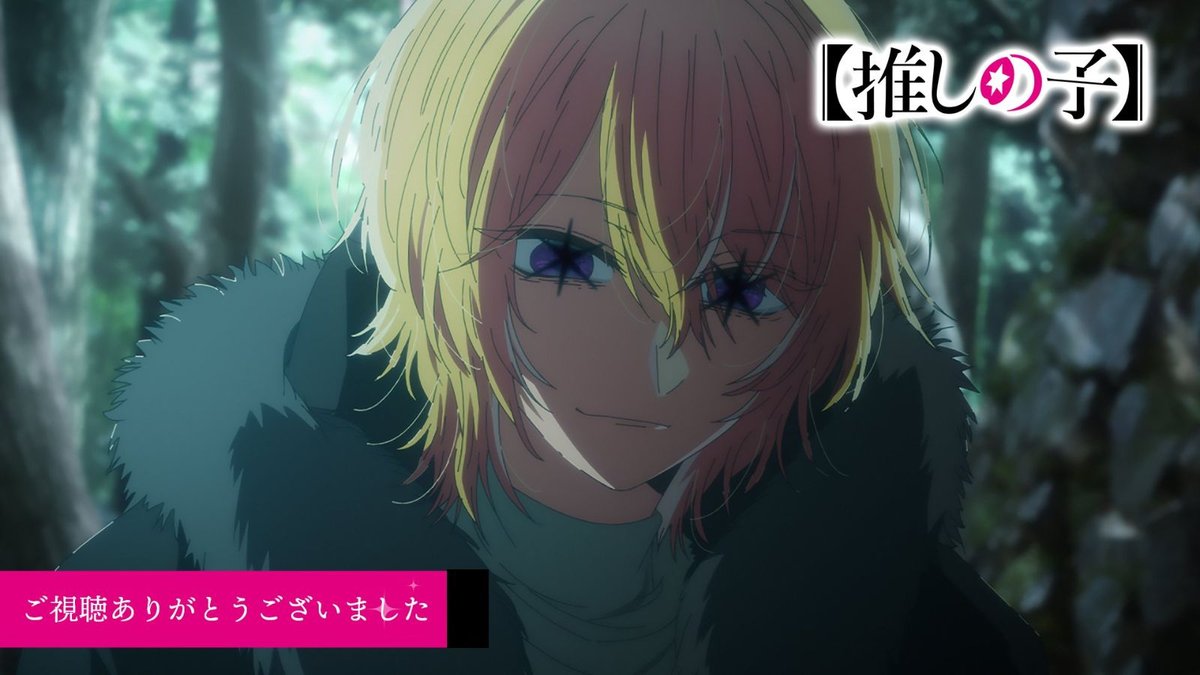
If you've landed here searching for "Rukia Kuchiki in Oshi no Ko explained," it's important to clarify right from the start: Rukia Kuchiki, a beloved character from Tite Kubo's Bleach series, does not appear in Oshi no Ko. Oshi no Ko is a completely separate and original manga and anime series created by Aka Akasaka and illustrated by Mengo Yokoyari, focusing on the dark underbelly of the Japanese entertainment industry, idols, and a unique story of reincarnation and revenge.
This hub article serves as your ultimate guide to understanding Oshi no Ko's intricate narrative, particularly its recently concluded manga ending, which has captivated and divided fans worldwide. We'll explore the series' core themes, the ultimate fates of its key characters, and the powerful messages it conveys, ensuring you grasp every essential detail of this compelling story.
Unpacking the World of Oshi no Ko: A Standalone Narrative
Oshi no Ko dives deep into the glamorous yet brutal world of pop idols and acting, portraying its many facades and the immense pressure placed upon performers. The story begins with a gynecologist, Gorou Amemiya, who is a massive fan of the idol Ai Hoshino. Tragically, he is murdered, only to be reincarnated as Ai's son, Aqua. His former patient, Sarina Tendouji, an equally devoted fan, is also reincarnated as Ai's daughter, Ruby. This improbable premise sets the stage for a narrative filled with suspense, drama, and a relentless pursuit of truth within a cutthroat industry. It's a universe entirely distinct from Bleach and its characters.
The Core Conflict and Ai Hoshino's Lingering Legacy
The foundation of Oshi no Ko's often painful story is built upon the tragic murder of its central idol, Ai Hoshino. Her premature death, a direct consequence of the entertainment industry's darker elements, leaves her reincarnated children, Aqua and Ruby, with a profound sense of loss and a burning desire for justice. Their lives become irrevocably shaped by this event, setting them on divergent paths that ultimately converge in a dramatic conclusion.
The series critically examines the inherent flaws and immense pressures within the entertainment world, a cycle that directly contributed to Ai's demise. This harsh reality serves as a constant backdrop to the Hoshino twins' journey, pushing them to confront the very system that created their mother's fame and facilitated her downfall.
Aqua Hoshino's Gripping Quest for Vengeance
At the heart of Oshi no Ko's narrative is Aqua Hoshino's relentless pursuit of vengeance. Driven by the trauma of his mother's murder and the revelation of her true killer, Hikaru Kamiki—Ai's scorned former boyfriend and the twins' biological father—Aqua dedicates his life to uncovering the truth and enacting retribution. Hikaru is portrayed as a manipulative instigator, exploiting women in the industry and orchestrating heinous acts, including an attempt on Ruby's life mirroring Ai's murder.
Aqua's quest culminates in a harrowing confrontation where he initially plans a fatal blow against Hikaru. However, in a pivotal moment of self-sacrifice, and to protect Ruby's future reputation from the stain of being "the sister of a murderer," Aqua makes a shocking choice. He stabs himself, then pulls Hikaru and himself off a cliff, leading to both drowning at sea. His body is recovered, and Hikaru is subsequently framed for Aqua's murder, allowing Aqua to achieve a twisted form of justice and secure his sister's future at the cost of his own life. For those deeply invested in his complex character arc, you might appreciate a more detailed examination of Aqua Hoshino's ultimate sacrifice and his motivations.
Ruby Hoshino's Triumph and the Power of a Necessary Lie
Aqua's death leaves a profound impact on those closest to him, particularly his twin sister Ruby. Despite the immense grief and the loss of her past-life crush (Aqua's previous incarnation, Gorou), Ruby exemplifies the series' central message of "hope winning over despair." She chooses to channel her pain into inspiration, transforming into an even bigger pop idol. Her story, infused with personal tragedy and resilience, resonates globally.
Under her leadership, B-Komachi, featuring Ruby, Mem-Cho, and a new member, performs at the iconic Tokyo Dome—a dream Ai Hoshino never achieved. Ruby adopts a distinctive "star aesthetic" for her light sticks, symbolizing the unique starry eyes shared by Ai, Aqua, and herself. Her most poignant act is embracing a "necessary lie": publicly denying her sadness and forcing herself to smile and perform while privately grieving. This act becomes a powerful beacon of strength for her audience, inspiring them to defy the world's darkness and not succumb to despair. Dive deeper into Ruby's inspiring journey and her adoption of the unique 'star aesthetic' to fully grasp her impact.
Moving On: The Fates of Oshi no Ko's Supporting Cast
Aqua's ultimate sacrifice and the conclusion of the long-standing revenge plot had far-reaching effects on the remaining characters, but the narrative emphasizes their collective decision to choose life and not despair.
- Kana Arima and Akane Kurokawa: Both characters, deeply affected by Aqua's actions and fate, ultimately pick themselves up. They continue to pursue their careers in the entertainment industry, finding new paths and meaning despite the personal losses they endured.
- Mem-Cho: As a member of B-Komachi alongside Ruby, Mem-Cho continues her idol career, supporting Ruby and helping to fulfill Ai's dream.
- Miyako and Ichigo Saitou: The founders of Strawberry Production, Miyako and Ichigo Saitou, continue to manage and guide the talents under their wing, including Ruby. Their experiences shape their approach to future generations of stars, embodying the wisdom gained from past tragedies.
- Other Characters: Figures like Minami, Frill, Melt, Taiki Himekawa (seen visiting his mother's grave), and Taishi Gotanda (working with his Japan Academy Award for Best Picture next to Aqua's picture) all move forward, finding ways to honor the past while building their own futures. For a closer look at the potential future of Strawberry Production and its beloved characters post-manga, our dedicated guide provides more context.
The Oshi no Ko Ending: A Divisive Legacy and Future Horizons
The conclusion of Oshi no Ko, particularly Aqua's sudden death in chapter #164, proved to be one of the most controversial aspects of the entire series. Many fans expressed significant dissatisfaction, arguing that Aqua had seemingly shifted his perspective towards living, making his abrupt demise feel rushed and primarily for "shock value." This stark ending sparked extensive debate across online communities and social media platforms.
Despite the divisive conclusion, the manga's ending skillfully leaves ample room for potential spin-offs or sequels. These future narratives could delve into Ruby's ongoing journey as a global pop idol, exploring her relationships and personal growth as she navigates fame and grief. Alternatively, spin-offs could focus on other beloved characters such as Kana Arima, Akane Kurokawa, or even the Saitous, as they continue to manage and nurture future generations of Strawberry Production's stars. To understand the full scope of the controversy and fan reactions surrounding the manga's conclusion, our detailed breakdown offers further insights. If you're looking for an even more in-depth analysis of the entire plot resolution, we recommend delving deeper into the full Oshi no Ko ending explanation.
Ultimately, Oshi no Ko delivers a powerful and complex narrative that challenges perceptions of the entertainment industry and explores the enduring themes of love, loss, revenge, and the arduous journey towards healing. While Rukia Kuchiki may not be part of this universe, the Hoshino twins' saga leaves an unforgettable mark, proving that even in the darkest corners of stardom, hope can find a way to shine.